
Winery marketing works when four things come together: a recognisable brand rooted in its territory, a website that both sells and tells a story (in more than one language), wine tourism experiences that are easy to book, and a consistent presence on Google, social media and email. Good wine is the starting point, not the strategy.
In the hills between Conegliano and Valdobbiadene, a UNESCO World Heritage Site since 2019, there are hundreds of wineries. Many make excellent wines. But for a traveller searching online for “Prosecco Superiore tasting”, or an importer looking for a new supplier, the difference is often made by communication: what they find, how quickly they understand who you are, and whether they can book a visit or request a price list in a couple of clicks.
In this guide we look, step by step, at how to build the marketing of a wine business: from brand to website, from wine tourism to export.
Why is marketing a winery different?
A winery speaks to very different audiences at the same time, through different channels and with different messages. That is what makes wine marketing more complex than marketing a “normal” business.
- Consumers: choose on emotion, place and occasion. They buy at the cellar door, online or in restaurants.
- Wine tourists: look for an experience (a tour, a tasting, lunch among the vines) and often decide on their phone, the day before.
- Restaurants and wine shops: want reliability, tech sheets, margins and a sales contact.
- Importers and distributors: assess history, figures, certifications and brand consistency, almost always in English.
There is one more constraint: wine is an alcoholic product, so advertising and social media follow specific rules (restrictions on targeting, on messages and, in some countries, on online sales). An effective strategy starts by deciding which of these audiences matter most, rather than trying to speak to everyone in the same way.
How do you build a strong winery brand?
A strong wine brand answers one simple question: why should someone choose your wine over the one from the winery next door, perhaps with the same appellation and the same price?
The levers are almost always these:
- The real story of the family or the estate. Generations, bold choices, a special vineyard. A specific story works better than generic lines about “passion and tradition”.
- The territory. Steep slopes, single vineyards (the Rive), soils, native grapes such as Glera or Verdiso. The territory is a competitive advantage no one can copy.
- Visual identity. Logo, labels, packaging, photography and tone of voice must be consistent across bottle, website, social media and trade fairs. A brand guidelines manual stops every piece of material from “going its own way”.
- The people. The grower, the winemaker, whoever welcomes guests in the tasting room. Showing faces builds more trust than any slogan.
A practical tip: if your labels were redesigned at different times and no longer look like one family, consider a coordinated restyling before investing in advertising.
What should a winery website include?
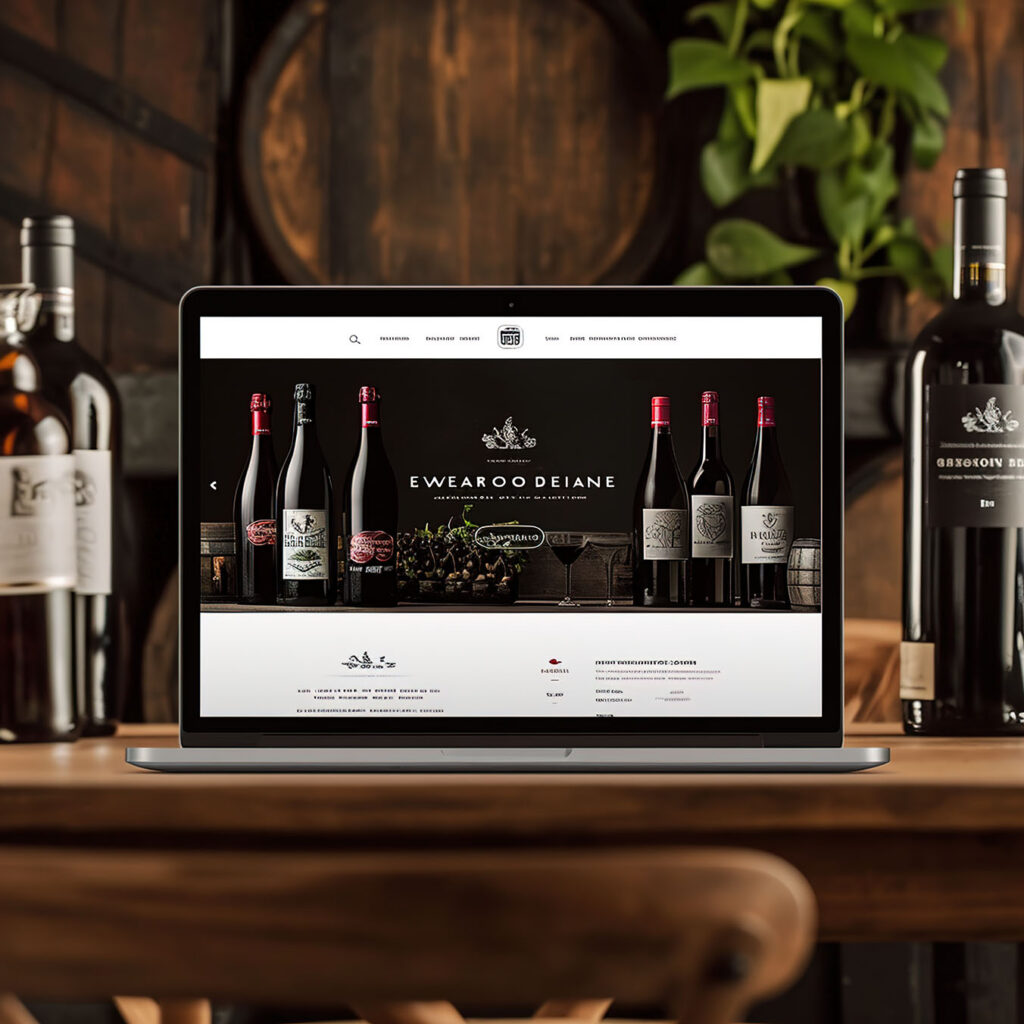
The website is where all audiences meet. It has to tell a story, but above all it has to make people do something: book, buy, or request a price list. The essentials:
- Complete wine pages: quality photos, appellation, grape variety, tasting notes, food pairings and a downloadable PDF tech sheet.
- Online booking for visits: calendar, available experiences, prices, automatic confirmation. “Give us a call” is no longer enough.
- An e-shop or linked shop: useful even if online sales are small, because it keeps visitors buying after their trip. Check the rules on selling alcohol, especially across borders.
- A trade area: a section for restaurants and importers with tech sheets, high-resolution images and sales contacts.
- Carefully written English (and German) versions, not machine translations: for foreign visitors and buyers they are your business card.
- Speed and mobile: most wine tourists browse on their phone, often while travelling.
Winery SEO: which searches should you target?
For a winery, the most profitable SEO is almost always local and experience-based, not the keyword “Prosecco”, which is dominated by consortia, big brands and portals. Better to target searches such as:
- “Prosecco tasting Valdobbiadene”, “wineries to visit near Conegliano”
- “winery tour with lunch Prosecco Hills”
- “where to buy Cartizze”, “Prosecco Superiore Rive [name of the Riva]”
Useful content, such as a guide to the Prosecco Wine Road, a harvest calendar or an article on the difference between DOC and DOCG, helps both Google and AI assistants cite the winery as a reliable source.
How do you promote wine tourism?

Wine tourism is often the most profitable channel for a small or mid-sized winery: visitors buy at the cellar door, sign up for the newsletter and become repeat customers. In Italy, wine tourism is also recognised by specific legislation (the 2018 Budget Law and an implementing decree in 2019), which sets requirements and minimum standards.
To fill the visit calendar you need:
- Clear, bookable experiences: for example “classic tasting, 60 minutes”, “picnic in the vineyard”, “harvest visit”, each with duration, price and language.
- Local partnerships: farm stays, hotels, e-bike rentals, guides, the Prosecco Wine Road. A network of partners brings visitors who would not come on their own.
- A presence on experience-booking platforms, used above all by international travellers.
Google Business Profile: the shop window many overlook
For a wine tourist searching “wineries near me”, the winery’s Google listing matters as much as the website. Take care of:
- the right category (for example “Winery”) and up-to-date opening hours, including holidays;
- recent photos of vineyards, tasting room and people;
- a direct booking link;
- replies to every review, in English and German too;
- regular posts about events, special openings and new vintages.
Social media, email and advertising: which channels to use?

You don’t need to be everywhere. For most wineries, three well-managed channels are enough.
Instagram (and Facebook) are the most natural social networks for wine: vineyards, seasons, harvest, people. Short, authentic videos shot in the vineyard and in the cellar work better than glossy bottle shots. LinkedIn is useful for the B2B side: trade fairs, new markets, partnerships with importers.
Email marketing is the most underrated channel. Every visitor, online customer or trade-fair contact should end up (with consent) in a segmented list: Italian consumers, international consumers, trade. A few well-made newsletters a year are enough: new vintage release, cellar events, Christmas gift ideas.
Advertising needs care, because Meta and Google apply strict rules to alcohol ads (minimum age, excluded countries, banned messages). The most sensible campaigns for a winery are usually:
- local campaigns promoting visits and events to people in the area or planning a trip;
- remarketing to people who have visited the website or shop;
- Google Search campaigns on experience-based searches (“tasting + place”).
How do you communicate with importers and foreign markets?

For many wineries in the Veneto region, export accounts for a large share of turnover. Before meeting at a trade fair, a foreign buyer will almost always look the winery up online. If they find an Italian-only website, old photos and no tech sheets, the first impression has already been made.
The tools that make the difference:
- A company presentation in English (PDF or dedicated page): history, hectares, annual production, certifications, markets already served.
- Up-to-date tech sheets for every wine and vintage, downloadable.
- Trade-fair materials consistent with the brand: catalogue, roll-up banners, business cards, QR codes linking to the trade area of the website.
- Structured follow-up: after each fair, a personalised email within a few days and the contact added to a dedicated B2B list.
- Multilingual website content, optimised for searches in target countries (international SEO), not just translated.
The most common mistakes in wine marketing

- Talking only about the product. Vintage, blend and alcohol content interest experts; most people choose on story, place and experience.
- A brochure website with no actions. No booking, no shop, no clear sales contacts.
- On-and-off social media. Very active during harvest, then silent for months.
- Scattered contacts. Trade-fair business cards and visitors that never make it into a database.
- Machine translations. For a foreign buyer, clumsy copy signals a lack of care.
Frequently asked questions

How much should a winery invest in marketing? It depends on size, sales channels and goals. Priorities matter more than a fixed figure: for a winery that sells mostly on site, a website with booking and a well-kept Google Business Profile come before advertising.
Does a small winery need an online shop? Not always as its main sales channel, but it is useful for letting past visitors reorder. You can start with a small range and shipping within Italy only.
Which social networks suit a wine business best? Instagram for consumers and wine tourism, LinkedIn for relationships with importers and the trade. Two well-run channels beat five abandoned ones.
Can you run paid ads for wine? Yes, but Meta and Google apply specific rules to alcohol: age limits, excluded countries and restricted content. Campaigns must be set up in line with these policies.
How can a winery reach international wine tourists? With a carefully written English (and German) website, an up-to-date Google listing with reviews in several languages, a presence on experience platforms and partnerships with local accommodation.
Comunicazione 21 has worked for years with businesses between Treviso and Conegliano on branding, websites, SEO and digital campaigns. If you run a winery and want to know where to start, get in touch for an initial consultation.