
If you are the owner of a small or medium-sized business, you have probably asked yourself this question at least once: where do I start with digital marketing? Maybe you’ve set up a Facebook page, delegated a few posts to a collaborator, or invested some money in online advertising without seeing concrete results. You’re not alone. It’s one of the most common mistakes among Italian SMEs: doing digital marketing without a strategy.
This article is not theory. It’s a practical guide to help you understand where to begin, which tools to use, how to avoid the most common waste, and how to build, step by step, a digital presence that truly works for your business.
Why digital marketing is essential for SMEs today

Knowing your customer: the buyer persona

All effective digital marketing starts with a single question: who are you trying to reach?
The buyer persona is a semi-fictional representation of your ideal customer. It’s not an academic exercise: it’s the tool that helps you understand what content to publish, which channels to use, what language to communicate with, and which problems to solve.
To build a useful buyer persona, you need to ask yourself: how old is your typical customer? What do they do for a living? How do they search for information? What holds them back before making a purchase? What objections do they have? Where do they spend their time online?
Creating even just two or three well-defined buyer personas will help you avoid one of the most costly mistakes in digital marketing: trying to communicate with everyone and ending up reaching no one.
Building a strong online presence: the website
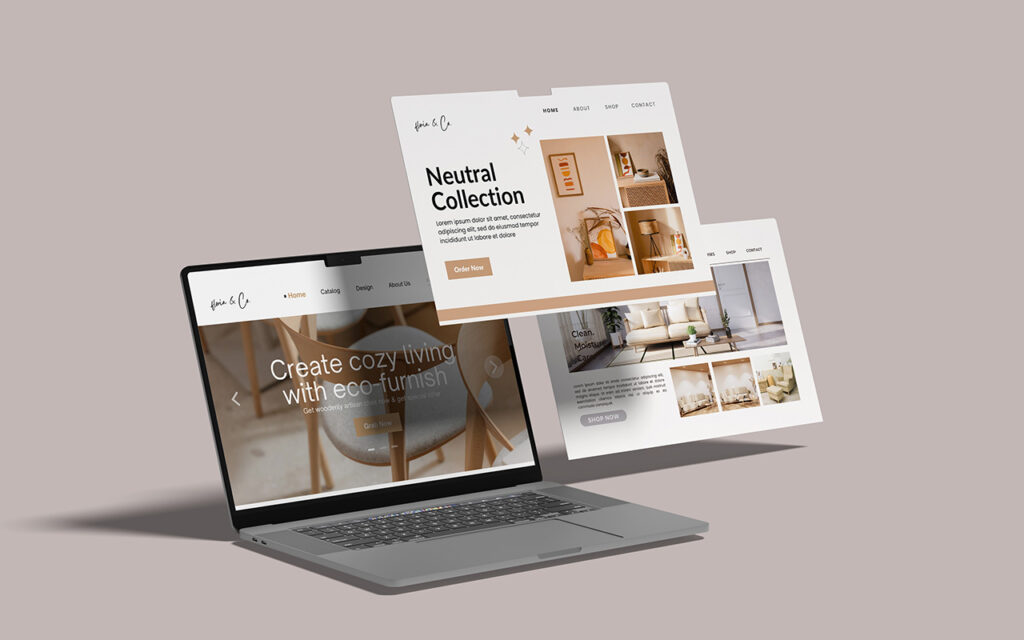
Your website is your digital headquarters. It’s not an optional tool: it’s the foundation of any digital marketing strategy. Social media, Google campaigns, newsletters — everything points back to your site. If your website doesn’t work or fails to convince, every other investment is largely wasted.
But what does it mean to have an effective website in 2026? It’s not just about having a nice design.
A good website for an SME must be:
- Fast. Google penalizes slow websites in search results, and users abandon pages that take more than three seconds to load.
- Mobile-first. Most local searches happen on smartphones. If your site isn’t optimized for mobile devices, you’re losing customers every day.
- Clear and action-oriented. Visitors should immediately understand what you do, why they should choose you, and what they need to do next.
- Optimized for search engines. A website that doesn’t rank on Google is like a shop without a sign on a side street. SEO must be integrated from the very beginning.
The right channels to start with
One of the most common mistakes is trying to be everywhere at once: Facebook, Instagram, LinkedIn, TikTok, YouTube, Google Ads, newsletters. The result is that nothing is done well, energy and budget are spread too thin, and in the end you end up համոզced that “digital marketing doesn’t work.”
The truth is that not all channels are suitable for every business. Choosing the right channels depends on who your customer is and where they are.
Measuring results
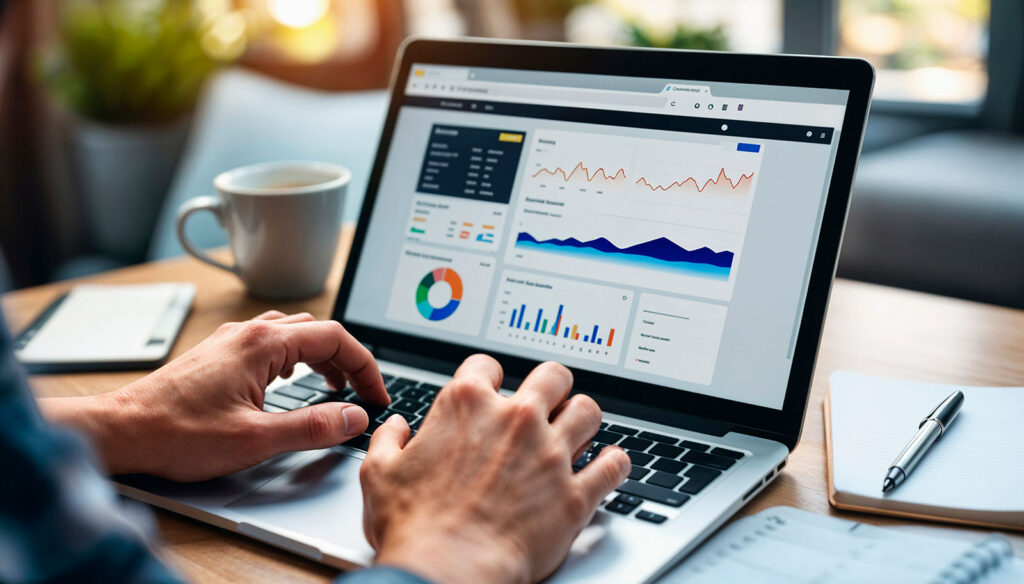
The first tool to install is Google Analytics 4 (GA4) on your website. It allows you to see how many people visit your site, where they come from, which pages they read, how long they stay, and — most importantly — how many complete a key action such as filling out a form or clicking a phone number.
But the data you track should be chosen based on your goals, not on what looks impressive. Some key metrics for SMEs include:
- Organic traffic measures how many people reach your website through Google without you paying for it. A steady increase in organic traffic means your SEO is working.
- The conversion rate shows how many visitors take the desired action: contacting you, requesting a quote, or subscribing to a newsletter.
- Customer acquisition cost tells you how much you are spending to acquire each new customer through paid channels.
- Google keyword rankings — monitored through Google Search Console — show you where you stand today and where you are heading.
When to rely on a web agency

There comes a time when managing digital marketing in-house becomes counterproductive. Not because your team lacks ability, but because digital marketing has become a complex, constantly evolving discipline that requires specialized expertise.
The benefits of professional support go far beyond technical quality. An experienced agency brings a method: it analyzes the starting situation, defines objectives, builds a tailored strategy, implements actions, and monitors results.
The saving in time and resources is often the most immediate advantage. Delegating to professionals means freeing up internal time to focus on the core business, avoiding costly mistakes due to inexperience, and achieving faster results thanks to already established expertise.
If you want to understand where to start — or why what you’ve done so far hasn’t worked — we’re here.
Contact us for a free consultation: we’ll analyze your situation together and propose a concrete, tailor-made path for your business.